4 hours ago
- copy link
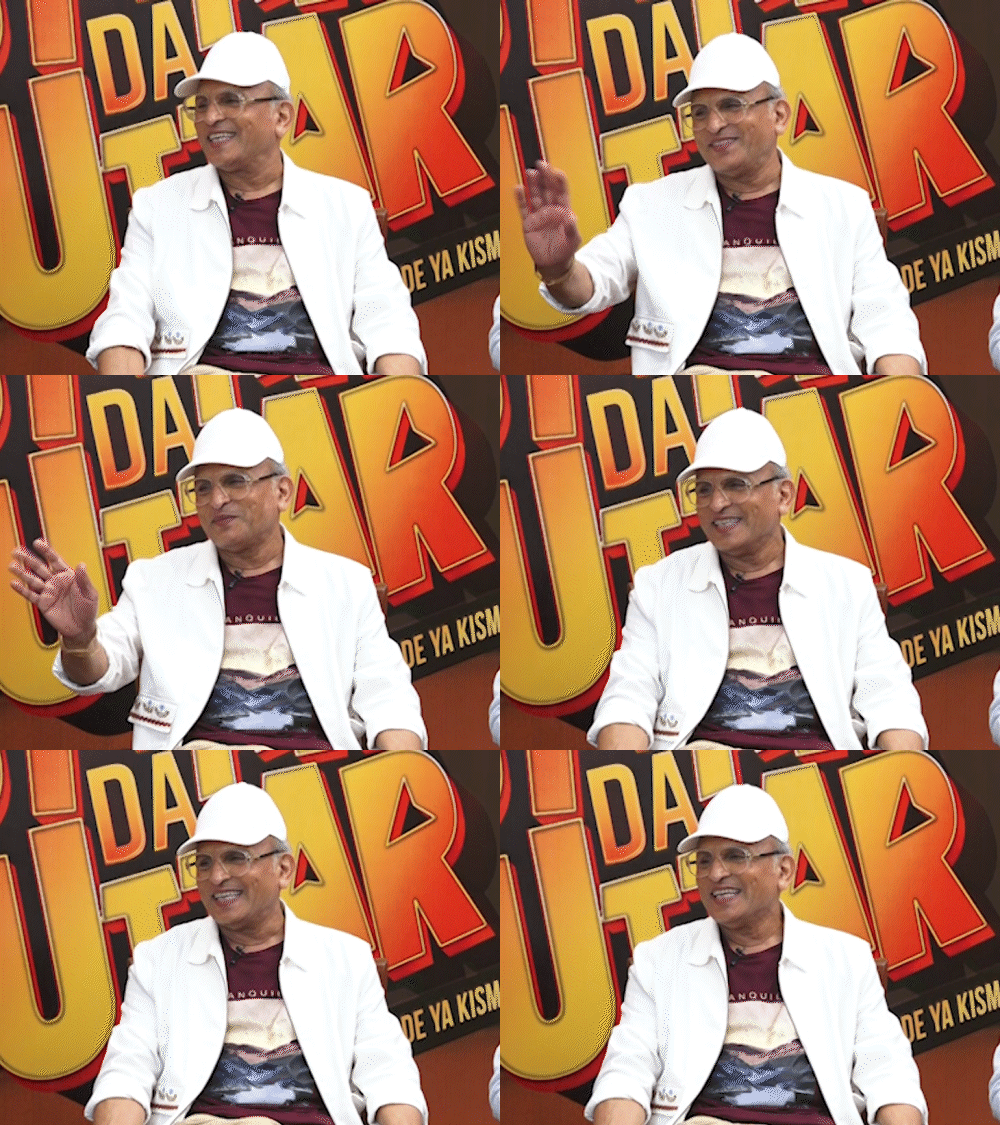
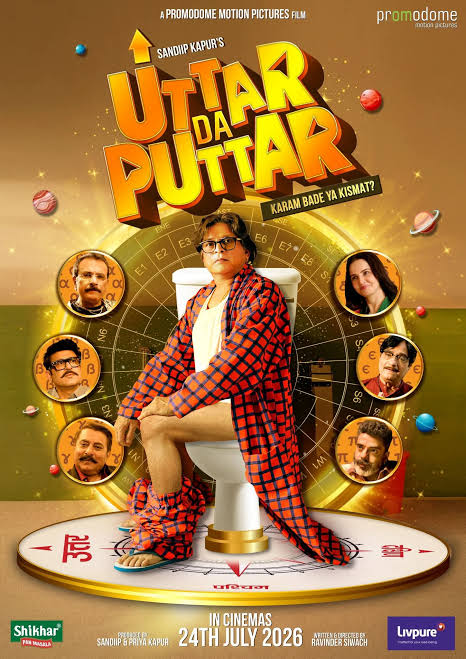
Veteran actor Annu Kapoor is in the news these days for his film ‘Uttar Da Puttar’. This film, in a very sensitive but satirical manner, raises questions on man’s biggest dilemma – ‘Karma bada or kismat’. In a special conversation with Dainik Bhaskar, Annu Kapoor spoke openly about his unfulfilled dreams, struggles of Bollywood, superstition of social media and bitter experiences of life.
Annu Kapoor told how at one time he did not have money to pay a driver, but a loyal companion and his destiny have taken him to where he is today.
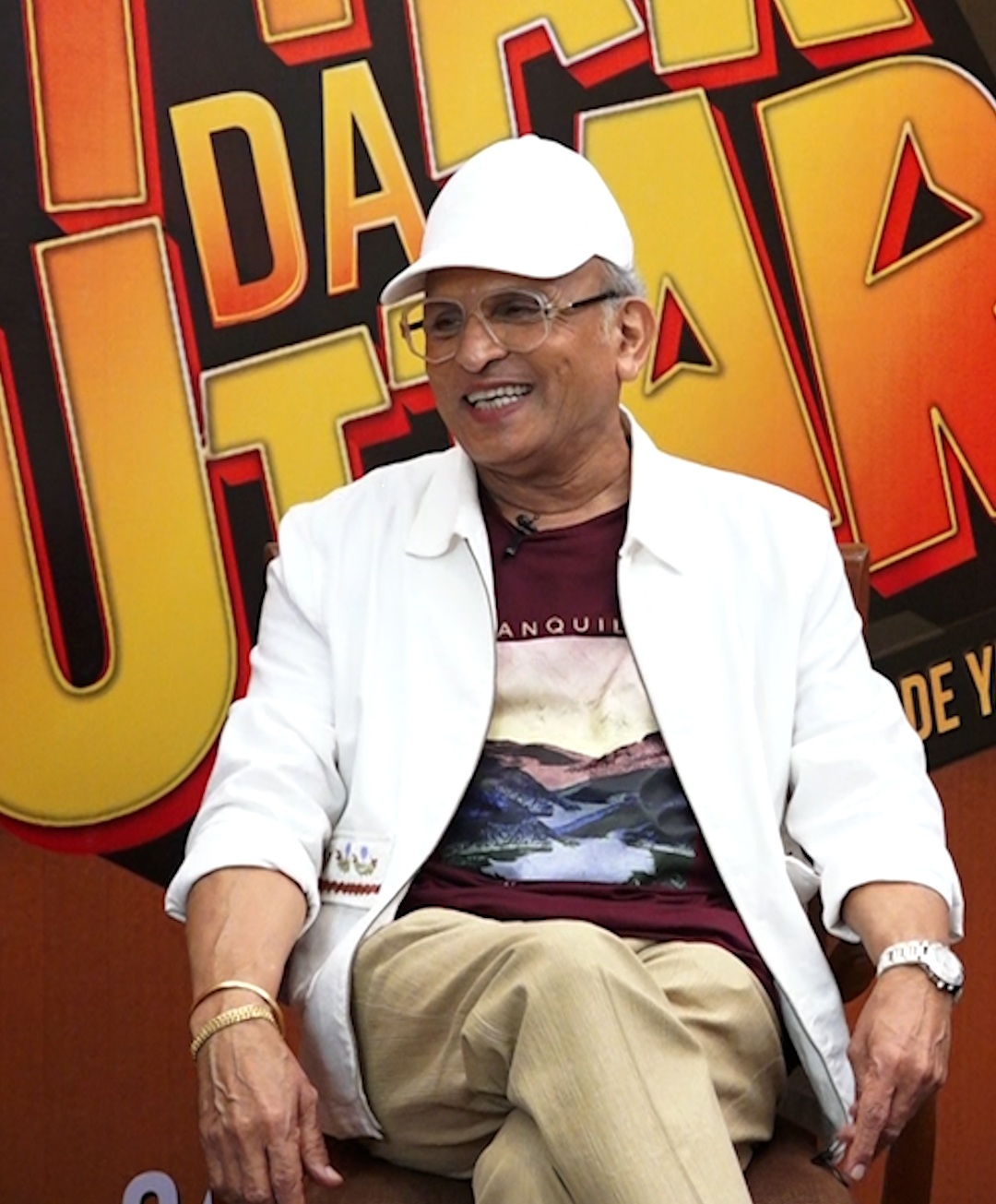
Question: ‘Uttar Da Puttar’ asks the question, is karma greater or destiny? Whom do you consider bigger?
answer: I believe that your actions also decide your destiny. There is nothing beyond luck. The path you have to go and the actions you have to perform there are all pre-determined. We are just instruments, there is someone else who is driving us. To convince the mind of the common man, it feels good to say that ‘if you do your work right, your destiny will change’, but the truth is that the account of each and every moment of ours is already set like an algorithm.
Question: If the wheel of fate had turned differently, would Annu Kapoor have been an actor today or something else?
answer: I wanted to become an IAS. The record in studies was good, academically also fine. But the circumstances at home were not such that the parents could study further. There was no godfather to give any scholarship. When I left my studies, I was forced to join my father’s theatre. Just like a son sits at his father’s shop when he doesn’t get any work, the same happened with me. Today people call it my good fortune that I became an actor, but I believe that I could not become what I wanted to become.
Question: Have you ever had any complaints with fate regarding this matter?
answer: It was a shock at that age, but time teaches everything. Mantu was a childhood friend of mine. He was very bright in studies, was a worshiper of Saraswati, but his father was a big grocery businessman. The father forcibly made him sit at the grain shop. He kept crying all his life that his mind was somewhere else, but it was written in his destiny to make a business of Rs 50 crores into Rs 400 crores. Life doesn’t always take you where you want to go, but rather where you need to be.
Question: Nowadays there is a big market for shining one’s luck on social media. Someone is selling rings and someone is selling Vaastu. How do you view this superstition?
answer: It’s all a business of human fear and hope. Someone is wearing sapphire, someone is wearing emerald. If something happens to be cured by chance, people consider the stone miraculous. The reality is that these stones have no resale value. In ancient times, the word ‘salary’ in Roman came from salt (saleria), because at that time salt was the price, not gold. The Covid era had taught all of us that the biggest wealth was not the gold locked in the safe, but a cylinder of oxygen available for free. Everything is a game of time and necessity.
Question: You do acting, singing, hosting everything. So why didn’t you do acting and direction together in ‘Uttar Da Puttar’? You might have received offers to enter politics?
answer: Brother, it is not within my power to handle both things simultaneously. I am not that talented. Just like politics is not my cup of tea. Being a good speaker is one thing and running a country is completely different. I may be poor, but not stupid enough not to recognize my limitations.
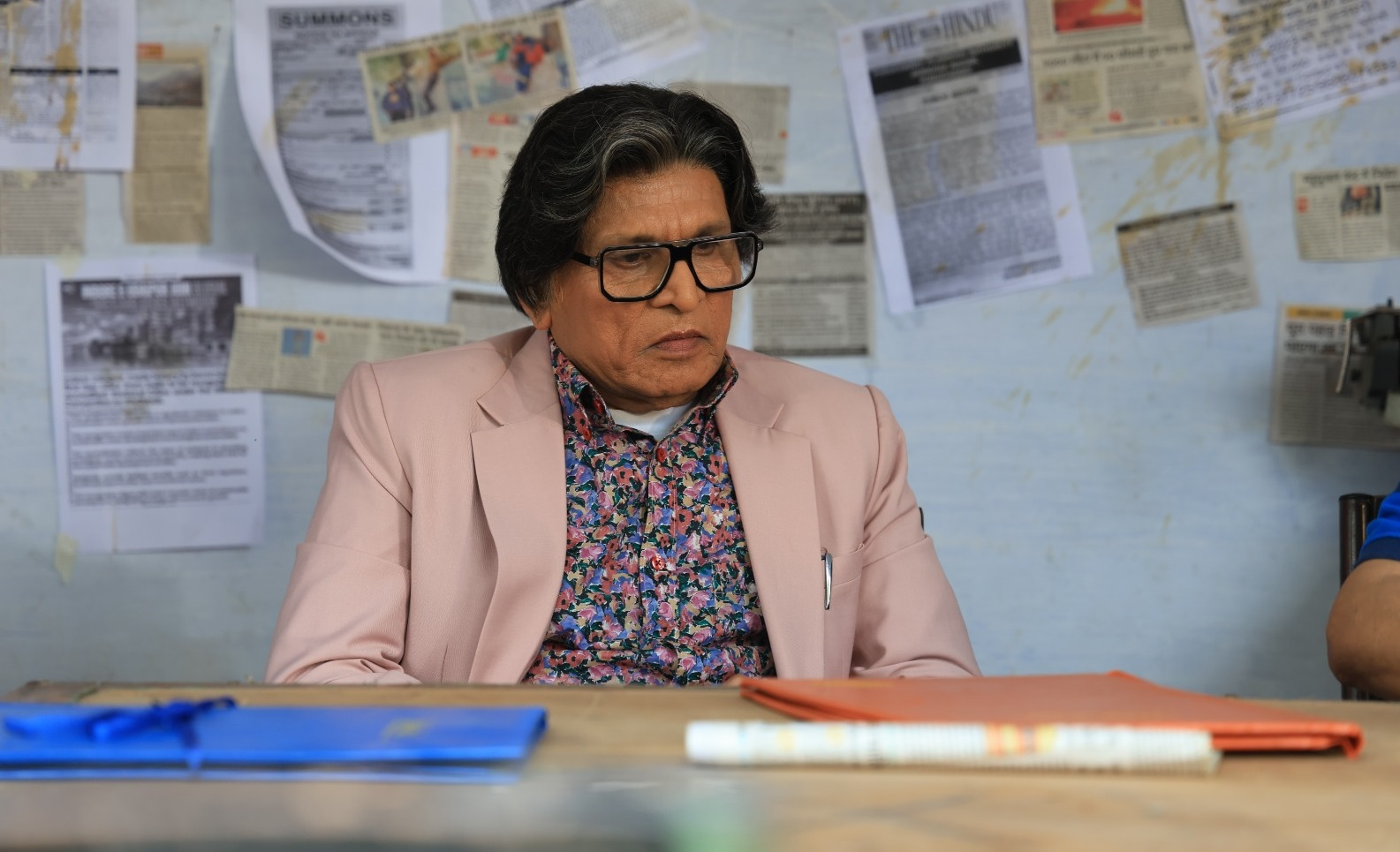
The film’s producer Sandeep Kapoor had earlier asked me to direct, but I refused. Then he gave me this contradictory character. In the film, I am playing the role of a physics professor who himself becomes obsessed with metaphysics (superstition/spirituality).
Question: You have seen many ups and downs in your career spanning four decades. Where did you get the biggest lesson of life?
answer: I do not impart knowledge to anyone, because I consider myself ignorant. Yes, I can definitely share my experience. It was the year 1985-86, I was going from Jaipur to Kota. I stopped the car in a field near Tonk and asked for water from a farmer. With great respect, he served cold water in a brass glass and fed him fresh carrots. ‘It was fun’ came out of my mouth.
That ordinary farmer told me something which great writers cannot write. He said – “Kanwar Saheb, even if it comes, it is a dense and crooked thing. If it does not come, it will not come in crores of rupees, if it comes, it will come in a glass of cold water.” That day I understood that real happiness is not in money, but in satisfaction. I got this spiritual solace by working in films like ‘Kabir’, ‘Antakshari’ and ‘Vicky Donor’.
Question: What was the most challenging period of your life or the one that shook you to the core?
answer: There were many such turns in my journey. Such a terrible period began from May 4, 1992, which lasted for four and a half months. I lived in a small room rented for one thousand rupees. There was neither a single penny of cash in his pocket, nor any cheque, nor any shooting. I was free the whole day, playing cards at friends’ houses at night and waking up late in the morning so that I could have lunch straight away and save food.
I can never forget what my driver Keshav Dutt did at that time. When due to financial constraints, I told him to work somewhere else, I will get you posted with a senior officer in HLL, where you will get a salary of Rs 2000 instead of Rs 750. Then that driver told me, “Sir, I am a Brahmin. I will leave you at your good time, but if I leave you at your bad time, I will feel guilty. No problem sir, if you are not able to pay the salary.” Such loyal people are found by luck.
Question: Then how did you come out of that bad phase? What was the turning point?
answer: After four and a half months, a person came and gave me an advance of ₹ 5000 for a video film in Delhi, which provided some support. After this came the year 1993. On Friday, September 3, 1993, I was playing cards at my friend’s house as usual. A new show started on TV at 8 pm. My friend’s wife said ‘Hey Annu ji, you are seen on TV!’
I looked back, that was the first episode of ‘Antakshari’ on Zee TV, which I had shot a month and a half ago. I placed the leaves with my hand. After the entire show was over, my friend told me, “Pandit ki zubaan hai, after today you will never need to look back in life.” And destiny did exactly that.
Question: Last question, what will the audience take with them after watching ‘Uttar Da Puttar’?
answer: We are not making a preachy film. We are leaving just one question for the audience that whatever is happening in your life, is it just your karma or is there some hidden destiny behind it? If people will see this bitter truth with a smile and after coming out of the cinema hall, they will pause and think, then our hard work will be successful.