
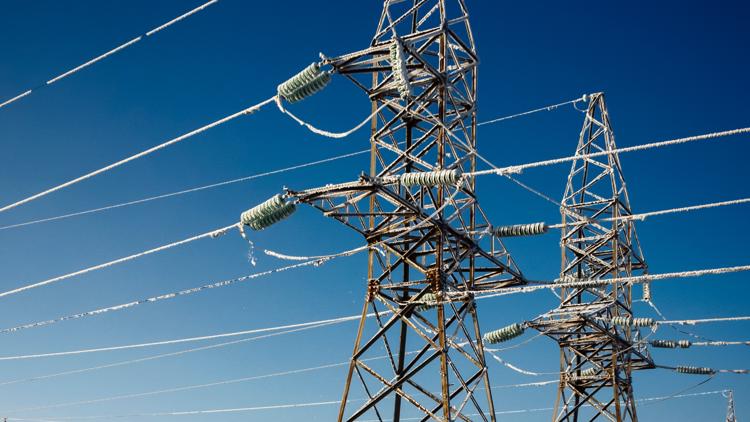
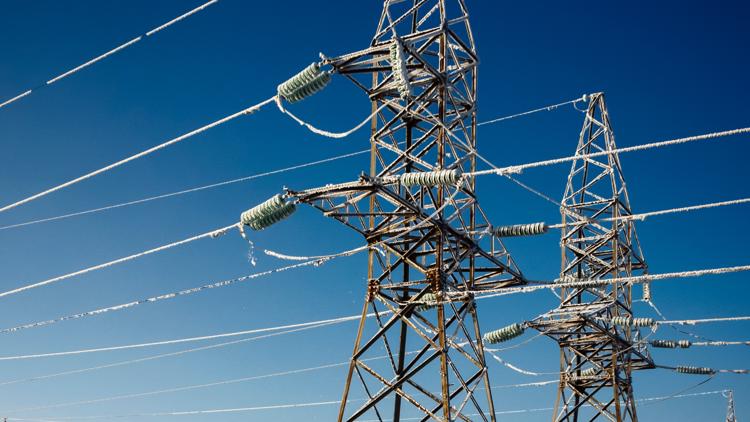
Numerous southeastern states considered “elevated risk” for winter power outages are in the path of the coming major winter storm.
VALLEY FORGE, Pa. — Southeast states listed at high risk for winter storm power outages are bracing for potential freezing rain and heavy snow as the nation’s largest power grids issue cold weather alerts.
Grid operators have urged utilities in numerous states to prepare now for spikes in energy demand due to the extremely cold temperatures and hazardous conditions forecast in the coming storm. The approaching Arctic airmass is expected to bring freezing rain from Texas to the Carolinas and heavy snow from Kansas to New York, setting the stage for the potential of widespread power outages, according to the National Weather Service.
“Broad swaths of freezing rain and sleet are expected south of the all-snow zone over the Southern Plains, Mid-South, and Carolinas. Treacherous travel conditions, prolonged power outages, and tree damage are likely,” NWS forecasters warned Wednesday.
The Southeastern Electric Reliability Corporation previously reported that numerous states in the path of the coming storm, including Alabama, Georgia, Iowa, Kentucky, Mississippi, Missouri, North Carolina, South Carolina, Oklahoma, Tennessee, and Virginia, were at “elevated risk” of power outages and disruptions during severe winter weather. The corporation’s most recent “Winter Reliability Assessment,” published in December 2025, said extreme weather would run the risk of straining power reserves in the states, especially if a winter storm’s impacts are large and long-lasting, as the coming winter storm is forecast to cause.
PJM Interconnected, the nation’s largest regional transmission organization that serves 67 million customers in 13 states, issued its cold weather alert on Wednesday, telling its utilities to prepare by reviewing their fuel supply and auditing their equipment functionality ahead of the storm.
The Midcontinent Independent System Operator, which serves 45 million people in 15 states, also issued its cold weather alert on Wednesday, which runs from Friday through Tuesday. The organization said it expects to have sufficient energy supply to meet peak electricity demand during the coming storm.
“Year-round, MISO works with our members to ensure we’re prepared for extreme weather operations,” an organization spokesperson said in an emailed statement. “Our power generation asset owners also take steps to ensure power plants have proper winter protections – such as insulation and de-icing equipment – to better withstand frigid temperatures and high winds.”
How to stay safe during long power outages in extreme cold
Ready, a national public service campaign, said power outages may disrupt communications, water, and transportation services. The campaign said people waiting for the power to turn back on can do the following to stay safe:
- Keep freezers and refrigerators closed.
- Use a generator, but ONLY outdoors and away from windows.
- Do not use a gas stove or oven to heat your home, which increases the risk of carbon monoxide poisoning and fire risk.
- Disconnect appliances and electronics to avoid damage from electrical surges.
- Have alternate plans for refrigerating medicines or using power-dependent medical devices.
- Check with local officials about open heating and cooling locations.
Anyone returning home after an extended power outage should throw out any food that’s been exposed to temperatures 40 degrees or higher for over two hours, or has an unusual odor, color or texture. Any medication that needs to be refrigerated should also be thrown out if power is off for more than a day, unless the drug’s label says otherwise.
Before an outage, residents can set themselves up for success by preparing a storm kit, Ameren said. Suggested items to store include:
- Emergency telephone numbers
- Flashlights and fresh batteries
- Battery-powered radio
- Supply of bottled water (one gallon per person, per day – and don’t forget water for your pets)
- Non-perishable foods that don’t require heating
- Paper plates and plastic utensils
- Hand-operated can opener
- First-aid kit and medications
- Ice cooler for temporary food or medication storage
- Blankets, bedding or sleeping bags
- Battery-powered or wind-up alarm clock
- Special items for infants, the elderly or family members with special needs
- Identification and copies of important family documents
- Small bills and change